
How Location Influences Condo Investment Returns in Singapore
Location is one of the strongest drivers of real estate value, especially in a highly developed market like Singapore. While condo facilities, design, and pricing all play a role, the surrounding environment often determines how well a property performs over time. Investors who understand how location affects demand, rental income, and capital appreciation are usually better positioned to make profitable decisions. This is why experienced buyers spend more time analyzing the neighborhood than the building itself.
Proximity to Transport Networks Matters
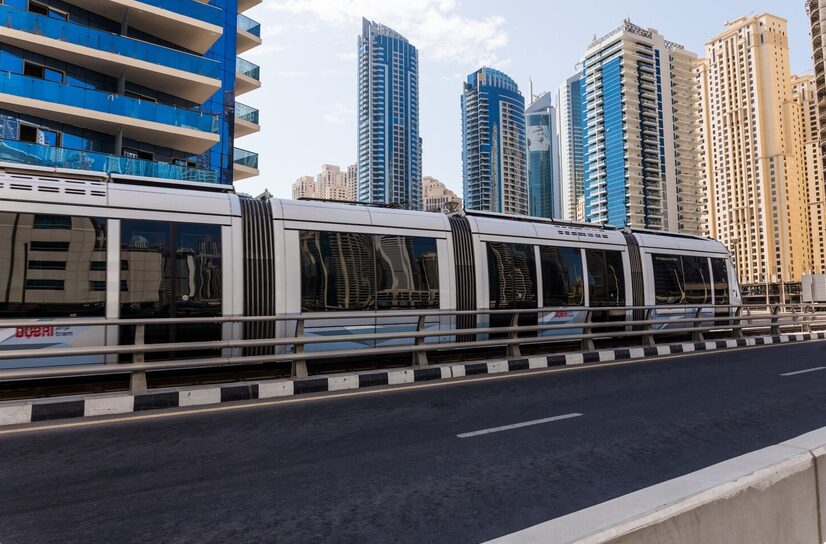
Access to transport is one of the first things property investors look at. Condos near MRT stations, bus interchanges, and expressways tend to attract higher demand because they reduce daily commuting time. This convenience makes such properties appealing to both tenants and homeowners. In many cases, buyers compare multiple developments by looking at accessibility alongside pricing and long-term growth potential. Many buyers consider the grand price reasonable when they factor in its connectivity advantages and how the transport infrastructure in the area supports future value appreciation.
Access to Everyday Amenities Increases Demand
Convenience plays a major role in shaping residential demand. Properties located near supermarkets, shopping malls, healthcare centers, and dining options are generally more attractive to both renters and buyers. People prefer living in places where daily necessities are within easy reach, which increases the overall desirability of such developments. Over time, this convenience translates into stronger occupancy rates and more stable property values. Even during slower market cycles, well-serviced neighborhoods tend to retain demand better than less developed areas.
School Proximity Can Influence Buyer Decisions
Educational access is another key factor in residential property demand. Families with children often prioritize homes near reputable schools, as it reduces travel time and improves convenience. This creates consistent demand in areas with strong school networks. Because of this, properties located within or near established school zones often enjoy stronger long-term stability. Even investors who are not buying for personal use recognize that school proximity can significantly influence resale value.
Employment Hubs Support Rental Stability
Another major factor influencing condo returns is proximity to employment centers. Areas near business districts, industrial zones, and commercial hubs tend to attract working professionals looking for convenient housing options. This consistent demand supports rental stability and reduces vacancy risks. Investors targeting rental income often prioritize locations where employment opportunities are strong and growing, as this ensures a steady tenant pool over time.
Future Development Plans Shape Long-Term Growth
Investors who focus only on current conditions may miss out on future growth opportunities. Government infrastructure projects, commercial expansions, and urban redevelopment plans can significantly change the appeal of a location over time. When new transport lines, commercial hubs, or lifestyle amenities are introduced, surrounding property values often rise as demand increases. This makes it important to evaluate not only what a location offers today, but also what it is expected to become in the future.
Neighborhood Reputation Builds Long-Term Confidence
The perception of a neighborhood can have a strong influence on property performance. Areas known for safety, cleanliness, good infrastructure, and quality urban planning tend to attract more consistent buyer interest. A strong reputation helps maintain demand even during market fluctuations. Buyers often feel more confident investing in locations that are well-established and positively regarded in the property market.
Supply Levels Influence Price Performance
The balance between supply and demand plays a critical role in determining property performance. Some areas experience high volumes of new condo launches, which can increase competition and affect pricing power. In contrast, locations with limited supply and steady demand often experience more stable or stronger price growth over time. Understanding these dynamics helps investors evaluate whether a property is likely to perform well in its specific market environment.
Location remains one of the most important factors in determining condo investment success in Singapore. From transport accessibility and nearby amenities to schools, employment hubs, and future development plans, every element of a …
Read More